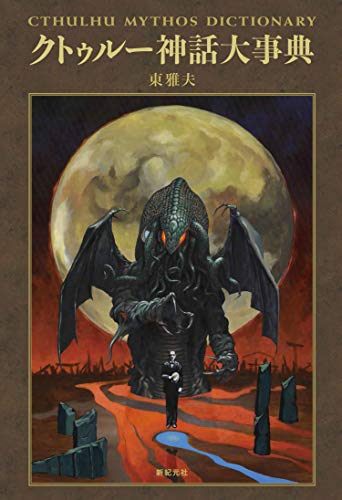
東雅夫『クトゥルー神話大事典』(新紀元社)。収録19作が扱う神格・用語の由来を、出典つきで引ける事典。
※上記は広告リンク(アフィリエイト)です。価格・在庫・版の詳細は必ずリンク先でご確認ください。
概要
米国の専門出版社Tachyon Publicationsが、アンソロジー『Lovecraft’s Brood: Nineteen Tales of Cosmic Horror』を2026年7月21日に刊行した[1]。編者はEllen Datlow、挿絵はJohn Coulthart。紙版のISBNは978-1-61696-462-7、電子版は978-1-61696-463-4で、トレードペーパーバックが18.95ドル、電子書籍(PDF・EPUB)が11.99ドルで販売されている[1]。業界誌Locusの書評は、判型をトレードペーパーバック・320ページと記録している[3]。日本国内での正規販売・邦訳の有無は、本稿で参照した資料の範囲では確認できていない。
Tachyonの公式ページによれば、本作は2014年刊行の『Lovecraft’s Monsters』の「long-awaited sequel(長らく待たれた続編)」だ[1]。書評誌Booklistは、Tachyonの公式ページに転載された評の中で、本作を「Completing the duology she began with Lovecraft’s Monsters (2014), award-winning editor Datlow is back with 19 previously published stories, all from this century.」(訳: 2014年の『Lovecraft’s Monsters』で始めた二部作を完結させるべく、受賞歴のある編者Datlowが、すべて今世紀に発表済みの19作を携えて戻ってきた)と紹介している[1]。21世紀に発表された既存作からDatlowが選び直した再録集であり、書き下ろしは含まない。
前作『Lovecraft’s Monsters』の公式紹介文は、「In Lovecraft’s Monsters, H. P. Lovecraft’s famous creations—Cthulhu, Shoggoths, Deep Ones, and more—are celebrated in all their terrifying glory.」(訳: 『Lovecraft’s Monsters』では、H・P・ラヴクラフトの著名な創造物――クトゥルフ、ショゴス、深きものたち、その他――が、その恐るべき栄光のすべてにおいて祝福される)と、神話の固有名詞を前面に掲げていた[2]。ところが今回の『Lovecraft’s Brood』の公式紹介文には、そうした神話の名前が一つも出てこない。同じ編者・同じ挿絵担当による続編でありながら、掲げる看板が変わっている。この変化の中身を、公式発表と書評から確認する。
どんな作品か
Tachyonの公式紹介文はこう始まる。「Fans of H. P. Lovecraft will rejoice in—and recoil from—these lovingly illustrated and mesmerizing tales of cosmic horror. This long-awaited sequel to the bestselling anthology Lovecraft’s Monsters is once again presided over by expert horror editor Ellen Datlow (FEARS) and award-winning artist John Coulthart.」(訳: H・P・ラヴクラフトのファンは、これらの丁寧に挿絵を添えられた魅惑的な宇宙的恐怖の物語に、歓喜し――そして身をすくめるだろう。ベストセラーとなったアンソロジー『Lovecraft’s Monsters』の続編として長らく待たれた本作もまた、名うてのホラー編者Ellen Datlow〔『FEARS』〕と、受賞歴のある画家John Coulthartが手がけている)[1]。収録作19本の著者は次の通り[1]。
- Conrad Williams「Once Seen」
- Steve Rasnic Tem「Mister Ainsley」
- Ray Cluley「Sideways」
- Jacob Steven Mohr「Empty Shells on a Cold Shore」
- Aaron Dries「The Keep Quiet」
- T. Kingfisher「Agent of Chaos」
- Caitlín R. Kiernan「The Beholder’s Share」
- Norman Partridge「Backbite」
- Elizabeth Hand「Eat the Wyrm」
- Paul Tremblay「The Note」
- Laird Barron「a strange form of life」
- Carol Gyzander「Call of the Void—L’appel du Vide」
- L. Marie Wood「Hypnopompia」
- Livia Llewellyn「Volcano」
- Wendy N. Wagner「Halogen Sky」
- A. C. Wise「Wind Come Down the Mountain」
- Ian Rogers「Infantum」
- Gary McMahon「Diving Deep」
- Brian Hodge「One Possible Shape of Things to Come」
Booklistの書評は、「Each story begins with an illustration by John Coulthart that perfectly captures the appeal of the story to come.」(訳: 各作品は、これから語られる物語の魅力を的確に捉えたJohn Coulthartの挿絵から始まる)とも記している[1]。挿絵は各話1点ずつ、扉絵として置かれる構成のようだ。
公式紹介文が挙げる筋書きの断片はこうだ。「A prison guard and a convict have an affair fueled by the hallucinations of fungal spores. Squatters arrive in a weird train station where they unearth a strange idol. Researchers discover skin thieves instead of normal turtles. A mescal-tasting tour turns utterly terrifying. An old woman stitches a portal that is disrupted by a nameless cat.」(訳: 刑務所の看守と受刑者が、菌類の胞子が引き起こす幻覚に駆り立てられて関係を持つ。奇妙な鉄道駅にたどり着いた不法占拠者たちが、そこで奇怪な偶像を掘り出す。研究者たちが、普通のカメの代わりに皮を盗む何かを発見する。メスカルの試飲ツアーが、まったき恐怖に変わる。名も無い一匹の猫に乱される裂け目を、老女が縫い上げる)[1]。いずれも神話の神格名や地名を伴わない、この本のための独自の設定だ。
星印付きで高評価を伝えるPublishers Weeklyの書評は、個々の作品にも触れている。Caitlín R. Kiernanの「The Beholder’s Share」を「weird and winding」(訳: 奇妙でうねるような)と評し、T. Kingfisherの「Agent of Chaos」を「quirky, bite-size」(訳: 風変わりで、一口サイズの)と呼ぶ。Conrad Williamsの「Once Seen」については、暴力的な自殺が連続する事件を追う警察写真家が「there is no sky. There’s just an unspeakable jump from the top of my head to the furthest reaches of never. Nothing tangible to enclose us.」(訳: 空など無い。あるのはただ、私の頭のてっぺんから「決してあり得ぬ」の果てへの、名状しがたい跳躍だけだ。私たちを閉じ込める、手に取れるものは何もない)と気づく場面を紹介する。同誌はBrian Hodgeの「One Possible Shape of Things to Come」を「the best of the bunch」(訳: この中で一番のもの)と評している[4]。
名前を落として、恐怖だけを残す——神話を名指すのは19作のうち数えるほど
当サイトはかつて、ゲーム『Ritual Tides』を題材に、ある作品を「ラヴクラフト的」と判定する物差しには実は3種類あることを整理した。見た目で決める(触手や名状しがたい造形があるか)、出典で決める(ラヴクラフトの作品を原作にしているか)、効果で決める(読者の側で何が壊れるか)、の3つだ[5]。
『Lovecraft’s Brood』にこの3つを当てはめると、興味深いことが分かる。②の出典は最初から成立しない。公式紹介文が挙げる筋書きに、ラヴクラフト作品の翻案や続篇にあたるものは見当たらないからだ。①の見た目についても、公式紹介文が挙げる筋書きの断片(菌類の幻覚、鉄道駅の偶像、皮を盗む生物、猫が乱す裂け目)に、神話でおなじみの造形は出てこない。
残るのは③の効果だけだ。業界誌Locusで本作を評したPaul Di Filippoは、まさにこの点をDatlowの編集方針として名指ししている。「Datlow focuses on perhaps the single most innovative aspect of HPL’s work: the evocation of ‘cosmic horror,’ resulting in a multivalent approach across many different tales, most not even necessarily HPL-specific.」(訳: Datlowは、HPLの仕事の中でもおそらく最も革新的な側面――「宇宙的恐怖」の喚起――に的を絞っており、その結果、数多くの異なる物語にまたがる多価的なアプローチが生まれている。しかもその大半は、必ずしもHPL固有のものである必要すらない)[3]。
Di Filippoは19作それぞれに短評を付けているが、その本文中で神話の固有名詞に触れているのは3作にとどまる。T. Kingfisherの「Agent of Chaos」については「one of the few stories that actually deploys Lovecraftian talismans」(訳: 実際にラヴクラフト的な護符・意匠を持ち出す数少ない一作)、Caitlín R. Kiernanの「The Beholder’s Share」については「this tale is one that explicitly slots into the Mythos」(訳: この一作は神話へ明示的に組み込まれている)、Norman Partridgeの「Backbite」については「this tale too is not afraid to name Mythos names」(訳: この一作も神話の名前を出すことを恐れない)と書く[3]。残る16作の短評には、神話の固有名詞への言及が一つも出てこない。
書評誌Booklistが本作を「cosmic fear as H. P. Lovecraft defined it: an immersive, existential dread, steeped in the realization that the universe is indifferent to our suffering.」(訳: H・P・ラヴクラフトが定義した宇宙的恐怖――宇宙が私たちの苦しみに対して無関心であるという自覚に浸された、没入的で実存的な恐怖)の書として括ったのも[1]、同じ理解に立つ。「ラヴクラフトが定義した」という言い方が指すのは、当サイトが「宇宙的恐怖」とは何かで確認した、ラヴクラフト自身の評論「文学における超自然の恐怖」(1927年)の定義そのものだ。同評論でラヴクラフトは、真の怪奇小説の条件をこう書いている。「A certain atmosphere of breathless and unexplainable dread of outer, unknown forces must be present; and there must be a hint, expressed with a seriousness and portentousness becoming its subject, of that most terrible conception of the human brain—a malign and particular suspension or defeat of those fixed laws of Nature which are our only safeguard against the assaults of chaos and the daemons of unplumbed space.」(訳: 息詰まるような、説明のつかない、外部の未知なる力への恐怖の雰囲気が存在せねばならない。そしてそこには、人間の頭脳が抱きうる最も恐ろしい観念――すなわち、混沌の襲撃と測り知れぬ宇宙の悪魔とに対する唯一の防壁である、あの不変の自然法則が、悪意をもって特異的に停止ないし打ち破られるという観念――への、その主題にふさわしい真剣さと重々しさで語られる暗示がなければならない)[6]。神格の名も書物の名も、この条件のどこにも出てこない。
Publishers Weeklyは同じ性質を、独自の言い回しでこう説明している。「the idea that human minds cannot comprehend certain truths beyond the veil of perceived reality; and that if one does see them the experience can drive that person insane, either from terror or from the inability to understand what they are seeing」(訳: 人間の精神は、知覚された現実のヴェールの向こうにある一定の真実を理解できないという観念。そして、もしそれを目にしてしまえば、その経験は恐怖から、あるいは目にしたものを理解できないことから、その者を狂気に追いやりうるという観念)[4]。これはPublishers Weekly側の要約であり、ラヴクラフト自身の原文の一節ではない。だが内容としては、ラヴクラフトの定義が語る「自然法則の破れ」「未知への恐怖」と重なる。固有名詞を持たない条件を、書評家それぞれが自分の言葉で言い換えている格好だ。
前作『Lovecraft’s Monsters』との違い——怪物を掲げた本から、恐怖の型を掲げた本へ
Tachyonの公式ページによれば、『Lovecraft’s Monsters』は2014年3月刊行、寄稿者にはNeil Gaiman、Joe R. Lansdale、Caitlín R. Kiernan、Karl Edward Wagner、Elizabeth Bear、Nick Mamatasらが並んでいる[2]。公式紹介文は次の一文で始まる。「In Lovecraft’s Monsters, H. P. Lovecraft’s famous creations—Cthulhu, Shoggoths, Deep Ones, and more—are celebrated in all their terrifying glory.」(訳: 『Lovecraft’s Monsters』では、H・P・ラヴクラフトの著名な創造物――クトゥルフ、ショゴス、深きものたち、その他――が、その恐るべき栄光のすべてにおいて祝福される)[2]。
12年後の続編にあたる『Lovecraft’s Brood』の公式紹介文には、この種の固有名詞が一つもない。前作が「怪物の名前」を看板に掲げたのに対し、今回の看板は「宇宙的恐怖という体験の型」だ。Caitlín R. Kiernanは両方の巻に寄稿している唯一の書き手で、前作では神話の造形そのものに連なる作品を書き、今作では前述の通りDi Filippoが「神話へ明示的に組み込まれている」と評する一作を書いている[2][3]。同じ書き手が、看板の掛け替えをまたいで両方の巻に名を連ねている点は記録しておく価値がある。
なぜ看板が変わったのか、その編集判断の理由そのものは、Tachyonの公式ページにもBooklist・Publishers Weekly・Locusの各書評にも説明がなく、当サイトでは確認できていない。ここで言えるのは、確認できた事実の範囲、すなわち両者の公式紹介文とレビューの語彙が実際にどう変わったかまでである。
原典との距離(神話の三層のどこに立つか)
19人の寄稿者はいずれもラヴクラフトの死(1937年)よりずっと後に活動している後続世代の書き手で、当サイトの区分で言えば第2層(ダーレス以降の拡張)に属する著者たちだ。だが、層としての位置づけは一様ではない。
Di Filippoが名指しした3作――Kingfisher「Agent of Chaos」、Kiernan「The Beholder’s Share」、Partridge「Backbite」――は、神話の固有名詞や意匠を実際に持ち出しており、オーガスト・ダーレス以来の「共有された神話体系を書き継ぐ」という意味での第2層の仕事にそのまま当てはまる。
一方、残る16作は、レビューの記述を見る限り神話の固有名詞に触れていない。これは当サイトが固有名詞のないラヴクラフトで確認した通り、「神話の階層表(旧支配者/外なる神/旧神)に入れられる名前」という分類の体系そのものに触れない書き方であり、分類は原典に無い、後世に足された行為だという同記事の指摘と重なる。ラヴクラフト自身が原文で定義した「自然法則の破れ」「未知への恐怖」だけを単独で継承した作品群であり、当サイトの三層の枠組みで言う神話体系としての第2層の「内部」にいるとは言い切れない。ラヴクラフトが遺した恐怖の型だけを継いだ、隣接領域の仕事として扱うのが実態に近い。
1冊のアンソロジーの中に、体系を継ぐ書き手と、型だけを継ぐ書き手が混在している。前作『Lovecraft’s Monsters』が前者(体系)に軸足を置いた本だったとすれば、『Lovecraft’s Brood』は後者(型)に軸足を移した本だと整理できる。
関連して読むなら
- 宇宙的恐怖(コズミックホラー) — ラヴクラフト自身の評論から、用語としての定義を確認できる
- 「宇宙的恐怖」とは何か——クトゥルフ神話の本質 — 本記事で使った定義の原文と、よくある誤解3つを整理した記事
- 固有名詞のないラヴクラフト — 「見た目/出典/効果」という3つの物差しの初出。ゲーム『Ritual Tides』を題材にした先行記事
- 原典/ダーレス系拡張/TRPG設定——三層で読み解くクトゥルフ神話 — 本記事で使った三層の区分そのものを解説
- The Sinking City 2 — 同時期に発売された、神話の固有名詞を前面に出す側のゲーム作品。名前を出す/出さないの対比先として参照できる
- クトゥルフ神話は誰のものになったのか — ラヴクラフトの死後、誰がこの神話を書き継いできたかを100年単位で辿った記事
出典
- [1] Tachyon Publications 公式商品ページ「Lovecraft’s Brood」(2026年9月9日取得)。刊行日「21 July 2026」、ISBN「978-1-61696-462-7 (print); 978-1-61696-463-4 (digital)」、編者Ellen Datlow、挿絵John Coulthart、販売形態「trade paperback, digital」、トレードペーパーバック価格18.95ドル、電子書籍(PDF・EPUB)価格それぞれ11.99ドル、紹介文「Fans of H. P. Lovecraft will rejoice in—and recoil from—these lovingly illustrated and mesmerizing tales of cosmic horror. This long-awaited sequel to the bestselling anthology Lovecraft’s Monsters is once again presided over by expert horror editor Ellen Datlow (FEARS) and award-winning artist John Coulthart.」、目次19作の著者名と題名、あらすじの一節「A prison guard and a convict have an affair fueled by the hallucinations of fungal spores. Squatters arrive in a weird train station where they unearth a strange idol. Researchers discover skin thieves instead of normal turtles. A mescal-tasting tour turns utterly terrifying. An old woman stitches a portal that is disrupted by a nameless cat.」、レビュー欄に転載されたBooklist書評「Completing the duology she began with Lovecraft’s Monsters (2014), award-winning editor Datlow is back with 19 previously published stories, all from this century.」および「Each story begins with an illustration by John Coulthart that perfectly captures the appeal of the story to come.」、同欄の「cosmic fear as H. P. Lovecraft defined it: an immersive, existential dread, steeped in the realization that the universe is indifferent to our suffering.」を確認。https://tachyonpublications.com/product/lovecrafts-brood/ ↩
- [2] Tachyon Publications 公式商品ページ「Lovecraft’s Monsters」(2026年9月9日取得)。刊行「March 2014」、寄稿者「Neil Gaiman, Joe R. Lansdale, Caitlín R. Kiernan, Karl Edward Wagner, Elizabeth Bear, and Nick Mamatas」、紹介文「In Lovecraft’s Monsters, H. P. Lovecraft’s famous creations—Cthulhu, Shoggoths, Deep Ones, and more—are celebrated in all their terrifying glory.」を確認。https://tachyonpublications.com/product/lovecrafts-monsters/ ↩
- [3] Paul Di Filippo, “Lovecraft’s Brood edited by Ellen Datlow: Review by Paul Di Filippo”, Locus(2026年8月31日、2026年9月9日確認)。書誌情報「Tachyon, 978-1616964627, trade paperback, 320pp, $18.95」「July 2026」、Datlowの編集方針についての評「Datlow focuses on perhaps the single most innovative aspect of HPL’s work: the evocation of ‘cosmic horror,’ resulting in a multivalent approach across many different tales, most not even necessarily HPL-specific.」、個別作品評「one of the few stories that actually deploys Lovecraftian talismans」(T. Kingfisher「Agent of Chaos」について)、「this tale is one that explicitly slots into the Mythos」(Caitlín R. Kiernan「The Beholder’s Share」について)、「this tale too is not afraid to name Mythos names」(Norman Partridge「Backbite」について)を確認。https://locusmag.com/review/lovecrafts-brood-edited-by-ellen-datlow-review-by-paul-di-filippo/ ↩
- [4] Publishers Weekly書評(Tachyon Publications公式商品ページのレビュー欄に転載、2026年9月9日確認)。星印付き書評として「Fans of literary horror that gives the psychological impact of terrifying developments their due will be rapt.」、コズミックホラーの説明として「the idea that human minds cannot comprehend certain truths beyond the veil of perceived reality; and that if one does see them the experience can drive that person insane, either from terror or from the inability to understand what they are seeing」、個別作品評として「weird and winding」(Caitlín R. Kiernan「The Beholder’s Share」)、「quirky, bite-size」(T. Kingfisher「Agent of Chaos」)、「there is no sky. There’s just an unspeakable jump from the top of my head to the furthest reaches of never. Nothing tangible to enclose us.」(Conrad Williams「Once Seen」からの引用)、「the best of the bunch」(Brian Hodge「One Possible Shape of Things to Come」)を確認。https://tachyonpublications.com/product/lovecrafts-brood/ ↩
- [5] 当サイト「固有名詞のないラヴクラフト」記事。「ラヴクラフトらしさ」を測る3つの物差し(見た目で決める/出典で決める/効果で決める)の記載を確認。https://shinenshoka.com/columns/lovecraftian-without-mythos-names/ ↩
- [6] H. P. Lovecraft, “Supernatural Horror in Literature”(1927年)。「A certain atmosphere of breathless and unexplainable dread of outer, unknown forces must be present; and there must be a hint, expressed with a seriousness and portentousness becoming its subject, of that most terrible conception of the human brain—a malign and particular suspension or defeat of those fixed laws of Nature which are our only safeguard against the assaults of chaos and the daemons of unplumbed space.」の記載を確認(当サイト既存記事「「宇宙的恐怖」とは何か」で照合済みの引用箇所を再使用)。https://www.hplovecraft.com/writings/texts/essays/shil.aspx ↩